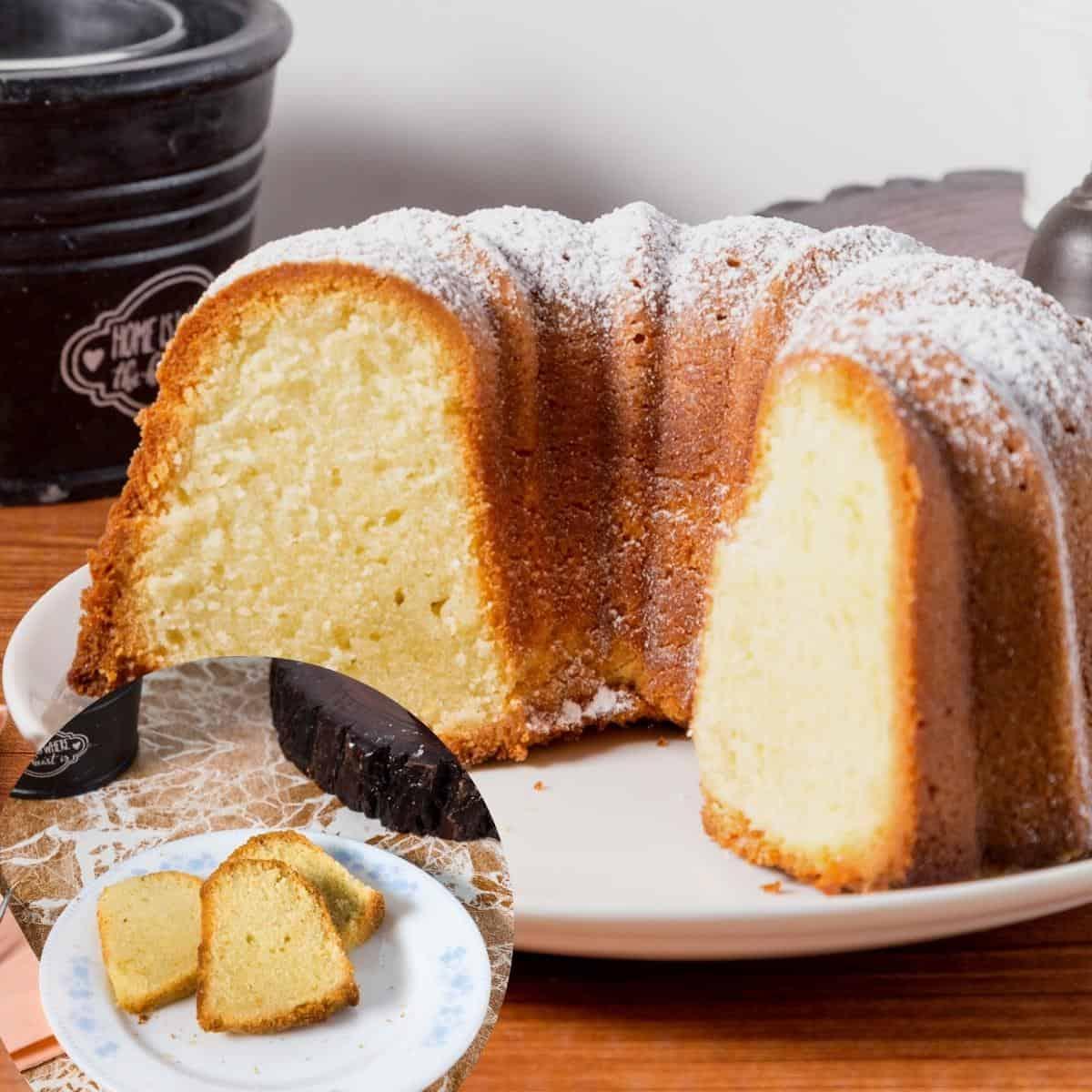
From Oven to Table: Mastering the Perfect Cake Texture
Understanding Cake Texture Approaches
- The Creaming Method involves beating butter and sugar to incorporate air, then adding eggs and dry ingredients. This builds a stable emulsion, resulting in a tender, moist cake with a fine crumb and rich flavor.
- The Reverse Creaming Method begins by mixing softened butter into dry ingredients, coating flour particles before liquids. This minimizes gluten development, yielding an exceptionally soft, velvety texture and a remarkably uniform crumb.
- The Sponge Method, also known as foaming, relies on whipping eggs and sugar until light and airy, then gently folding in flour. This creates a very light, delicate, and often drier cake, structured primarily by aerated eggs.
Key Evaluation Criteria for Cake Texture
- Crumb Structure: Assess uniformity and size of air pockets. Indicates if the cake is dense, open, or fine-grained. A consistent crumb is vital for mouthfeel.
- Moisture Retention: Evaluate how long the cake remains moist and fresh, crucial for shelf life and eating experience. Superior moisture means longer enjoyment.
- Flavor Integration: Consider how well ingredients meld, influencing the depth and balance of the cake's overall taste profile. A harmonious blend enhances perception.
- Ease of Execution: Examine complexity and time required for each method, important for efficiency in a professional setting. Simplicity can be a significant advantage.
Comparative Analysis of Cake Texture Methods
The Creaming Method consistently produces a cake with a relatively open yet tender crumb due to air incorporation. Higher fat content contributes significantly to moisture, making these cakes generally rich and moist, holding freshness well over several days. It delivers a satisfying and familiar mouthfeel.
Regarding flavor integration, the Creaming Method excels. Fats and sugars meld beautifully, creating a well-rounded and robust taste. Execution is straightforward; however, proper creaming requires attention to ingredient temperature and mixing duration for optimal aeration.
In contrast, the Reverse Creaming Method yields an exceptionally fine, melt-in-your-mouth velvety crumb. By coating flour proteins with fat first, it minimizes gluten development, resulting in a supremely tender texture. Moisture retention is superior, producing cakes that stay fresh longer.
Flavor integration with Reverse Creaming is subtle yet effective, allowing delicate notes to shine. The technique is slightly more involved than traditional creaming, demanding precise ingredient additions and careful mixing, a potential learning curve for some bakers.
The Sponge Method creates a very light, airy, open crumb, almost ethereal. However, due to lower fat content, these cakes can dry out faster. They often rely on soaking syrups or complementary fillings for added moisture, a key consideration for their application.
With the Sponge Method, flavors are often light and clean, ideal for fresh fruits or delicate creams. Execution demands careful folding of dry ingredients into the aerated egg mixture to preserve fragile structure, making it potentially more challenging for inexperienced bakers.
Recommendations for Method Selection
For a rich, classic cake with excellent moisture and a satisfying chew, the Creaming Method is often the optimal choice. It's versatile for various flavor profiles and generally forgiving, suitable for everyday baking and robust celebration cakes needing stability and prolonged freshness.
When the goal is an exceptionally soft, velvety crumb and extended freshness, the Reverse Creaming Method stands out. It's ideal for delicate flavors and elegant presentations where a fine texture is paramount. Rousaux bakers frequently employ this for premium offerings.
If a very light, airy cake is desired, particularly as a base for fresh fruits, delicate creams, or soaking syrups, the Sponge Method is highly appropriate. While demanding precision, the resulting delicate texture is unparalleled for specific dessert applications.
Ultimately, method selection depends on the desired final product and its application. Consider the flavor profile, required shelf life, and textural experience. Experimentation with each technique will deepen your understanding and elevate your baking results.
Comments 0
Leave A Comment